State-wise reforms · Evidence-led assessment
Empowering States & Union Territories
Reforms that make business simpler, faster and predictable.
The Business Reform Action Plan brings State BRAP, Single Window System and District BRAP implementation into one accountable framework—linking reform design, digital service delivery, evidence, user data, review and measurable outcomes.
Implemented with States and UTs since 2014–15
Specific, verifiable and implementation-ready reforms
India EODB implementation landscape
Public view of State and UT reform readiness
Explore the institutional presence, reform submissions, online services and evidence readiness of all 36 States and Union Territories through one concise national view.
Illustrative prototypeSeeded sample data — not an official assessment
Dedicated EODB capability and active reform reporting
Share of States and UTs in the implemented category
Seeded submissions across the national landscape
Illustrative business-facing services available digitally
Average seeded evidence completeness across jurisdictions
Interactive jurisdiction map
India EODB presence
36States & UTs
Implemented 20
In progress 9
Onboarding 7
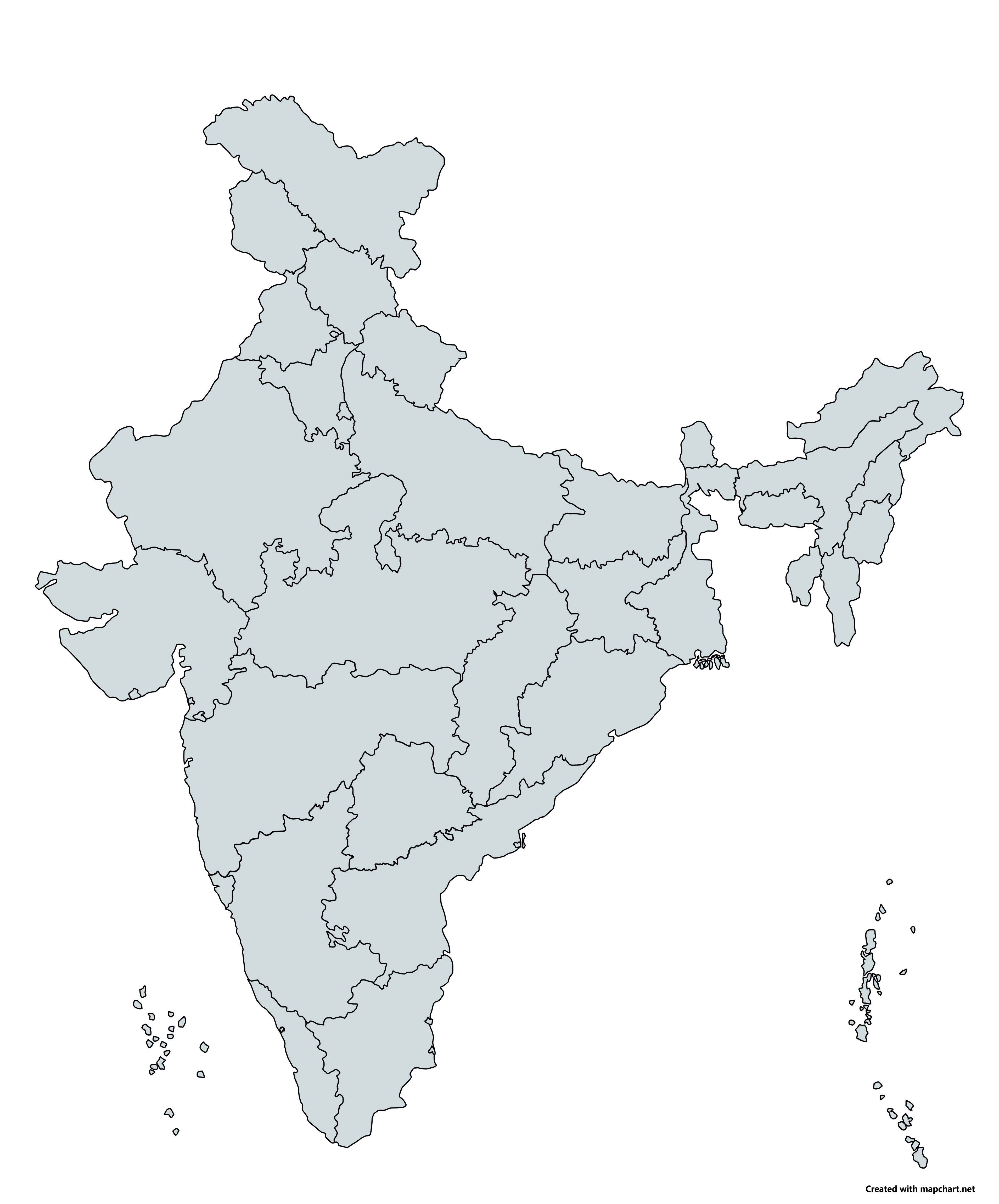
Hover or focus a pin for a concise State/UT summary; select it to update the detailed profile. Seeded classifications are not an official assessment.
Jurisdiction directory
36 records
State and UT implementation summary
| State / UT | Status | Reforms | Services | Evidence |
|---|
No jurisdiction matches the selected filters.
Select a State or Union Territory name to inspect its public profile.
Prototype reporting cycle: Q2 2026
Institutional presence
Shows whether a dedicated EODB cell is operational, a nodal arrangement is being established, or the jurisdiction remains in onboarding.
Digital service depth
Pairs reform submissions with the number of business-facing services available through an EODB or Single Window gateway.
Evidence readiness
Summarises the completeness of functional links, notifications, user records and other implementation evidence expected for review.
Executive overview
How the portal works
One national platform, three complementary reform tracks
The source documents define a shared evidence lifecycle while keeping State-wide, Single Window and district-specific implementation rules distinct.
State BRAP
State and UT implementation of 74 reforms spanning investment, inspections, labour, land, construction, environment, utilities, dispute resolution and legal rationalisation.
74Reforms
9Areas
Single Window System
End-to-end investor service delivery through Single Sign-On, Know Your Approvals, Common Application Form, unified payment, dashboards and assistance.
80Services
13Modules
District BRAP
A State-driven framework measuring district-level implementation efficiency for services, inspections, facilitation, start-up growth and industrial parks.
154Reforms
219Marks
Programme intelligence
Document-backed reform scope at a glance
These charts use the reform numbering and module/service counts contained in the supplied implementation guidebooks. They do not represent live submission progress.
State BRAP 2026 reform allocation
74 reforms distributed across nine thematic areas
Source: BRAP 2026 Implementation Guidebook, Areas 1–9 and Reforms 1–74.
SWS service portfolio
Essential and desirable services across the business lifecycle
80Total services
Essential services44 · 55%
Desirable services36 · 45%
8Essential modules
5Desirable modules
Source: SWS Guidebook for States, Sections 1.5, 2.2 and 8.
District BRAP reform distribution
154 reforms grouped by implementation section
51District services and land records
86Time-bound inspection systems
11District investment facilitation
4Startup growth in Tier 2/3 cities
2Industrial parks
Source: District BRAP 2025 Implementation Guidebook, Reforms 1–154.
2026 analytical reading
What the current framework changes
The redesign translates the guidebooks into three operational priorities for officials and reviewers.
From digitisation to process re-engineering
BRAP 2026 asks departments to remove redundant steps, automate manual interventions and synchronise approvals—not merely place existing forms online.
From declarations to verifiable implementation
Functional URLs, uptime confirmation, validation access, live demonstrations, walkthroughs and notifications establish operational evidence.
From State totals to district efficiency
DBRAP measures locally delivered approvals, inspections and facilitation while evidence and user data remain coordinated by the State.
Assessment architecture
From reform configuration to auditable outcomes
The common lifecycle supports role-based submission, review, clarification, approval, feedback and reporting while preserving reform-type rules.
Configure
Exercise, reform type, applicability, evidence requirements and phase dates.
Implement
States operationalise reforms through SWS or integrated departmental systems.
Submit
Nodal Officers upload evidence and validated user data by jurisdiction.
Review
DPIIT verifies functionality, completeness and prescribed assessment criteria.
Clarify & approve
Clarification, return, approval and rejection decisions remain auditable.
Score & report
Evidence and applicable feedback feed dashboards, reports and final outcomes.
Dates and scoring
View official updatesCurrent implementation signals
Key programme dates and DBRAP scoring facts from the supplied circulars.
Programme evolution and deadlines
BRAP initiated
DPIIT begins the collaborative reform exercise with States and UTs.
District and SWS deepening
DBRAP and the SWS guidebook extend reform implementation across local services and investor journeys.
DBRAP timeline circular
Implementation, user-data capture and upload dates formally notified.
Labour Codes modification
State BRAP and SWS applicability updated through an official circular.
User-data upload deadline
Complete DBRAP user data must be uploaded to the DPIIT BRAP Portal.
DBRAP scoring position
Notified after applicability treatment of Reforms 46, 144 and 145
0Achievable marks
3Reforms notified as NA
15 Aug 2025Implementation period start
14 Aug 2026Implementation and data cutoff
State-ledEvidence submission model
Source: DBRAP Circular dated 10 April 2026.
Frequently used services
Go directly to the information you need
Guidebooks & circularsOpen the supplied official reference documents
Evidence guidanceUnderstand generic and reform-specific expectations
Implementation practicesExplore documented reform patterns and content gaps
Previous exercisesReview the evolution of the BRAP framework
MidYear ReviewTrack structured implementation review requirements
Help and FAQsFind role, evidence, scoring and workflow answers
Contact supportUse the frontend helpdesk enquiry flow
Authorised portalOpen dashboards, submissions and reports